

WHERE WIRELESS WORKS
The right alarm for your site
A hard-wired alarm system is not an option when a building does not yet exist, when a tenancy does not allow penetrations, or when your site moves every few months. Wireless systems solve each of those problems, provided they are the right system, correctly configured.
Construction sites
No cabling required as the build progresses. Devices relocate with the work front. Integrates with two-way radio for coordinated emergency response.
Industrial facilities
Zoned coverage across large floor plates. Smoke and heat detection backed by SMS and radio broadcast to duty managers.
Healthcare and aged care
Nurse call triggers with wearable options. Precise worker identity and location in alert notifications. Rapid medical emergency coordination.
Education and institutions
Full lockdown capability for schools and universities. Same mesh network handles fire, first aid, and intruder events.
Heritage and strata buildings
No penetrations required. Fully wireless fit-out preserves building fabric while meeting compliance obligations.
Remote and temporary sites
Cellular-connected Orisent devices operate with no local infrastructure. IoT SIM connectivity removes range limitations entirely.
OUR WIRELESS BRANDS
Two platforms. One Source
Checkpoint Group is an authorised supplier for both Cygnus and Orisent. Different systems suit different sites, and in some cases, both can run on the same project.
Cygnus Wireless Alarm System
The Cygnus system runs on a self-healing radio mesh network. Every device acts as a repeater, meaning signal strength improves as you add devices rather than degrading. One system connects up to 480 individual call points across 15 configurable zones.
- CYG14 control panel: up to 480 devices, 15 zones, full event history log
- CYG16 panel: smaller sites, same radio mesh architecture
- Evac+ panel: simple base station, up to 32 devices, single-button operation
- SMS module: alerts to up to 10 phone numbers, configurable work/after-hours contacts
- UHF radio module: auto-broadcasts voice alerts over site radios when incident occurs
What Cygnus handles
Fire evacuation, first aid, nurse call, intruder detection, lockdown, crane cab alarms, and exclusion zone management. Every event type runs through the same mesh network.
- IP65-rated enclosures: dust and waterproof, suited to outdoor and construction environments
- Battery powered throughout: no mains supply required for call points
- Lockdown system for schools, universities, and institutions
- CYGIOU4 interface: connects to existing fire alarm systems, turnstiles, biometric entry
- Downloadable event log with full date and timestamp history
Orisent Wireless Solutions
Orisent operates across two network types: radio frequency mesh for local site coverage, and cellular NB-IoT (LTE) for sites with no local infrastructure or unlimited range requirements. A touchscreen control unit, web portal, and smartphone app (iOS and Android) bring live monitoring to any device.
- 127dB 1680Hz siren output on evacuation devices
- Smartphone app delivers immediate alerts with location detail
- Wearable nurse call trigger: wristband or pendant with 100m range
- Detailed alerts include worker identity and exact trigger location
- Integrates with Procore, Hammertech, and Irongate Solutions
Compliance and monitoring
Orisent’s reporting portal produces site activity logs suitable for WHS compliance audits. The system conducts scheduled auto-tests and reports device health, battery status, and connectivity for every unit on the network.
- Individual device power and connectivity monitoring
- Scheduled evacuation auto-tests with logged results
- Geofencing and telemetry available
- Open API for hardware and software integrations
- Edit device names and locations in under 30 seconds
PRODUCT RANGE
Browse the full range
Scroll through the carousels below to explore Checkpoint Group’s wireless alarm products by category. Select any card to find out more.
CYGNUS SYSTEM

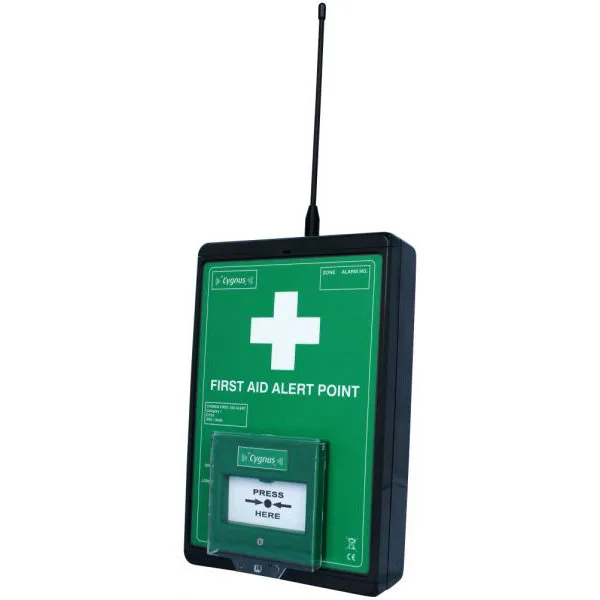
Cygnus SiteProtect First Aid Alert Nurse Call Point CYG54

Cygnus SiteProtect PIR Motion Sensor

Cygnus SiteProtect Replacement Call Point Battery pack – 9V alkaline

Cygnus SiteProtect Crane Cab Alarm/Call Point CYG24FCA

Cygnus SiteProtect Heat Detector CYG34

Cygnus SiteProtect Lockdown System CYGLDAP & CYGLDA

Cygnus SiteProtect Control Panel CYG16 (Old CYG64)

Cygnus SiteProtect Smoke Detector CYG44

Cygnus SiteProtect Exclusion Zone Alarm CYG8L4

Cygnus SiteProtect Emergency Assembly Area Beacon with Call Point CYGFAP01C


ORISENT SYSTEM

Evacuation Trigger (standalone)

Combined Evac Trigger and Evac Siren (standalone)

Wearable Nurse Call Trigger

Smoke Detector

Nurse Call Trigger (radio frequency)

Touchscreen Control Unit (TCU) Power Plug

Fire First Responder Station

Monthly Subscription Services
Spill Kit First Responder Station

Combined Evacuation Trigger and Evacuation Siren


COMPATIBLE PRODUCTS

Deluxe Large Spill Kit Cabinet – Yellow

Emergency Light – Weatherproof Bulkhead with Microwave Sensor

First Aid Response Safety Trolley, Medium – Green

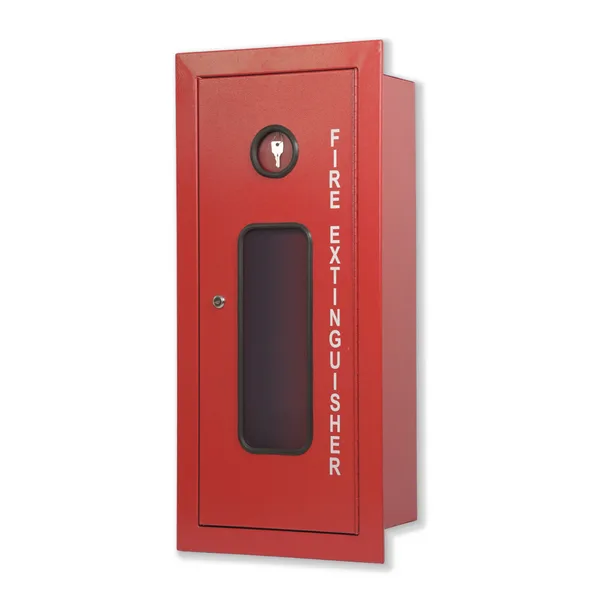
Recessed Fire Extinguisher Cabinet 9kg
Modular First Aid Kit

Plug-In Microwave Sensor

First Aid Responder Station

4ft Emergency Light Batten

Fire Warden Responder Station




BRAND COMPARISON
Cygnus vs Orisent: how they differ
Both systems are proven in Australian commercial and industrial environments. The right choice depends on your site type, connectivity environment, and monitoring requirements.
| FEATURE | CYGNUS | ORISENT |
|---|---|---|
| Network type | Radio mesh (self-healing) – No boosters required | RF mesh and cellular NM-IoT (LTE) – No range limit on cellular |
| Max devices | 480 devices / 15 zones (CYG14) | Expandable; no hard ceiling on cellular |
| Control interface | Dedicated control panel (CYG14, CYG16, Evac+) | Touchscreen Control Unit (TCU) + web portal + smartphone app |
| Smartphone app | ✕ Not available | ✓ iOS and Android |
| SMS alerting | ✓ SMS Module (up to 10 numbers) | ✓ Via app and subscription |
| Two-way radio integration | ✓ UHF module: auto voice broadcast | — Announced over radio supported |
| Enclosure rating | IP65 (dust and waterproof) | Large aluminium backboard, mains or battery |
| Nurse call/first aid | ✓ Dedicated call points | ✓ Including wearable trigger (ORI-34) |
| Lockdown capability | ✓ Full lockdown system (schools, institutions) | — Via escalation feature |
| Smoke and heat detection | ✓ Cygnus smoke (CYG44) and heat (CYG34) | ✓ ORI-36 smoke detector (Bluetooth) |
| Intruder/PIR detection | ✓ PIR units, configurable siren/silent response | ✕ Not a primary feature |
| Reporting and audit logs | Downloadable event history (date and time) | Web portal: full activity logs, device telemetry, scheduled reports |
| 3rd party integrations | Existing fire alarm systems, turnstile and biometric entry via CYGIOU4 | Procore, Hammertech, Irongate; open API |
| Evacuation drill function | ✓ | ✓ Scheduled auto-tests |
| Best suited to | Construction, industrial, high-density multi-zone sites, where radio integration matters | Sites needing cellular reach, healthcare/aged care, app managed monitoring |
TECHNICAL SPECIFICATIONS
Key specs at a glance
CYGNUS – CYG14 SYSTEM
Max devices | 480 per system |
Zones | Up to 15 |
Network | Radio mesh (self-healing) |
Signal boosters | Not required |
Enclosure | IP65 (dust + waterproof) |
Power (call points) | Battery (lithium) |
Siren output | Up to 110dB + strobe |
Evac drill function | Yes |
Event log | Downloadable, date/time stamped |
ORISENT – EVACUATION SYSTEM
Network types | RF mesh + Cellular NB-IoT (LTE) |
Wearable range | 100m (ORI-34) |
App | iOS + Android |
Battery charger | 8-port, <12hr charge (I-43) |
Auto-test | Scheduled (configurable) |
Portal | Web-based, real-time |
Siren output | 127dB, 1680Hz Super M |
Device rename | Under 30 seconds |
3rd party API | Open API available |
READ MORE
Related articles from our blog
FREQUENTLY ASKED QUESTIONS
Still wondering about wireless alarms?
Not sure which system suits your site?
Checkpoint Group works with site managers, safety officers, and fire contractors across Australia to match the right wireless alarm system to each site’s specific conditions: size, connectivity, industry, and compliance requirements. Talk to our team about a system recommendation or site safety review.