

Your Site Fire Plan Is Probably Out of Date

Construction sites change constantly. New levels open up, materials move, subcontractors rotate through, muster points shift. A site fire plan written at project setup and never touched again does not reflect any of that. It reflects a site that no longer exists.
Under Australian WHS legislation, your obligation is to have a plan that is current, accurate, and workable on the ground. If you are a site manager, project manager, or WHS officer responsible for a construction or industrial site, this article covers what a compliant fire safety plan requires under Australian law, what needs to go into it, how to implement it properly, and how to keep it current as the site evolves.
Why a Fire Safety Plan Is a Legal Requirement
Under the model Work Health and Safety Act, a person conducting a business or undertaking (PCBU) has a primary duty to ensure the health and safety of workers so far as is reasonably practicable. That duty extends explicitly to emergency preparedness. The WHS Act requires you to have procedures in place for responding to emergencies, including fire.
The Safe Work Australia Model Code of Practice on Managing the Work Environment and Facilities outlines the obligation to provide adequate first aid and emergency procedures. State and territory WHS regulators enforce these obligations, and failure to comply can attract significant penalties under industrial manslaughter provisions in states including Queensland, Victoria, and Western Australia.
Your site plan is the documented expression of how your site meets that obligation. A plan that your workforce has not read, tested, or internalised leaves your site with both a compliance gap and a genuine safety risk.
The Non-Negotiables
Construction sites are not static environments. They change weekly, sometimes daily. That is why a plan is not a document you create once and file. It is a living system.
Here is what a compliant, functional emergency response plan needs to cover:
Site-specific hazard identification
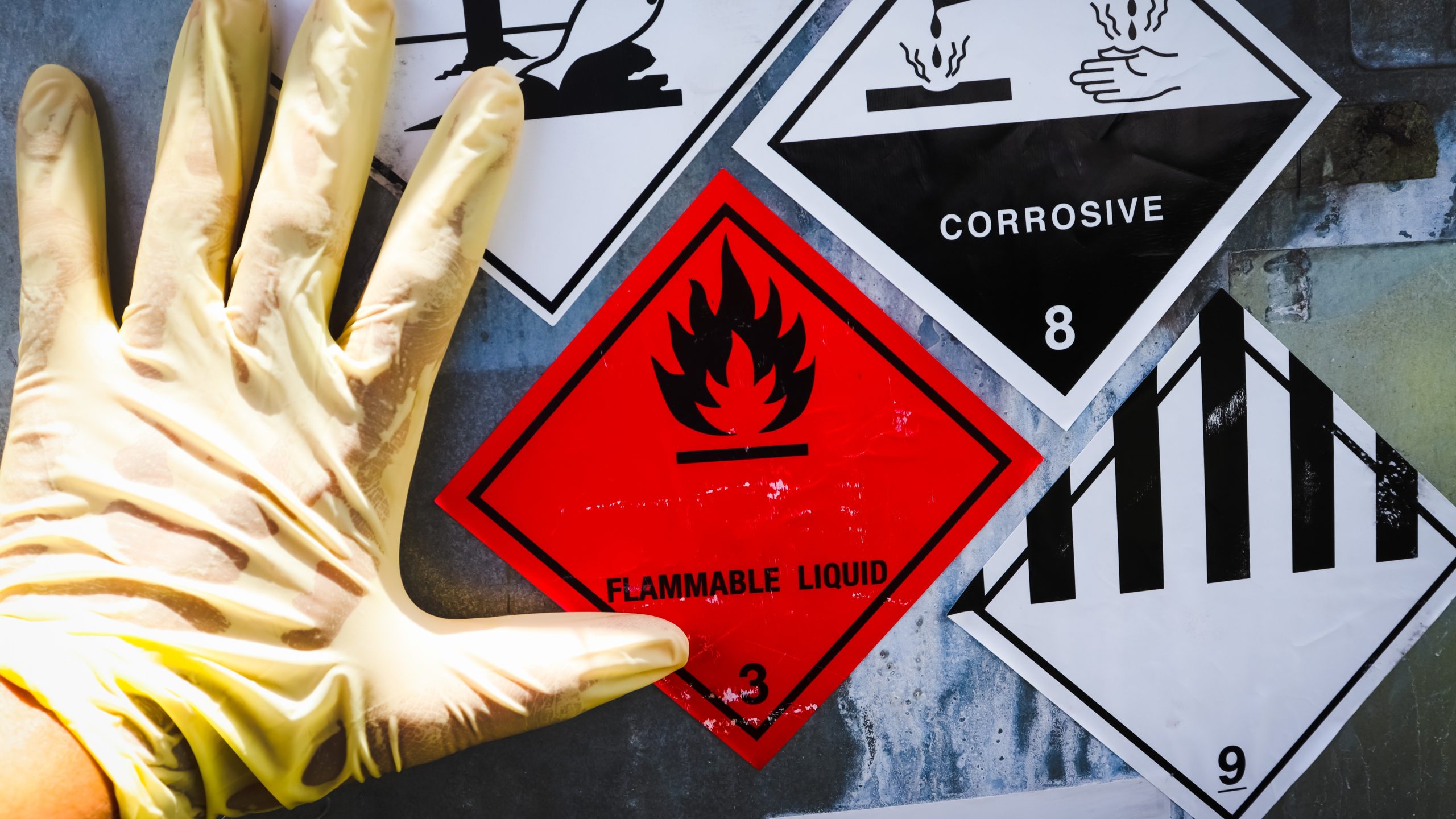
Before anything else, your plan needs to reflect the actual fire risks present on your site. For construction, these typically include:
- Hot works: welding, grinding, cutting, brazing
- Flammable and combustible materials: timber framing, insulation, solvents, fuels, LPG
- Temporary electrical installations and cable management
- Waste accumulation and storage
- Proximity to adjacent occupied structures
Update your hazard identification whenever site conditions change significantly, not just at the start of the project.
Fire prevention controls
The plan should document the controls in place to reduce the likelihood of ignition. This includes your hot works permit system, fuel and chemical storage procedures, site housekeeping standards, and any restrictions on ignition sources in high-risk areas.
Fire detection and alarm systems
Your plan must name the detection and alarm systems on site, their locations, and the person responsible for maintaining them. On a construction site where a permanent building fire detection system is typically not yet operational, a wireless temporary alarm system is the practical solution. Cygnus designed its wireless alarm system specifically for this environment, with portable call points and detectors your team can reposition as the site progresses.
Under AS 1670.1 (Fire Detection and Alarm Systems), the design and installation of fire detection systems must meet specific performance requirements. Your plan should reference how your site's alarm solution meets those requirements for the stage of construction you are in.

Firefighting equipment
The plan must identify the type, location, and number of portable fire extinguishers and other first response equipment on site. Selection and placement must comply with AS 2444 (Selection and Location of Portable Fire Extinguishers). For a construction site, this typically means a combination of ABE powder extinguishers for general coverage, CO2 extinguishers near electrical equipment, and wet chemical units near any cooking facilities.
Equipment must be:
- Correctly selected for the hazard type
- Positioned at identified fire points and clearly signposted per AS 1319
- Serviced and maintained on schedule
- Accessible and unobstructed at all times
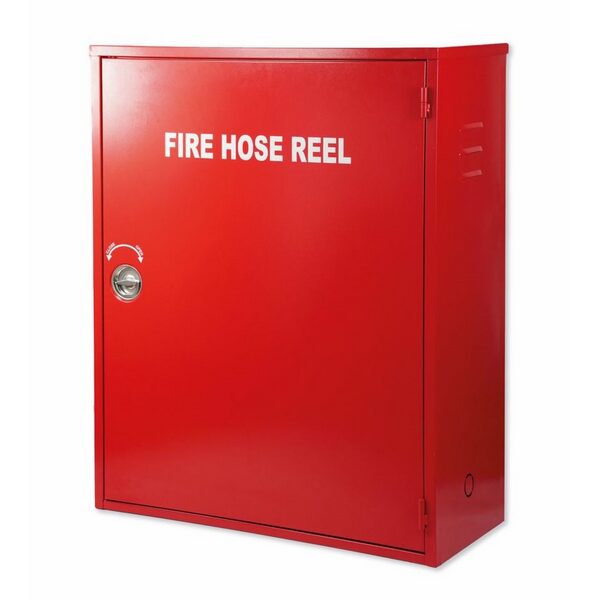
Fire blankets, hose reels where infrastructure permits, and clearly marked fire points with evacuation plan displays all form part of a properly equipped site. Checkpoint Group builds its Safety Trolleys and SiteHUB stations specifically for this setup, giving your site a single, mobile, clearly identified fire and safety point that moves as the site changes.

Emergency evacuation procedures
Your evacuation procedures need to be specific to your site. Generic templates do not cut it. Your site fire plan must document:
- Who activates the alarm and how that signal reaches every part of the site
- Designated muster points and assembly areas, updated as construction progresses
- Evacuation routes from all working areas, accounting for current site conditions
- Who is responsible for confirming all workers have evacuated
- How to account for visitors, contractors, and subcontractors on site
Keep evacuation diagrams current, post them at relevant locations, and make sure they are legible. If your muster point is still where it was six months ago but the site layout has changed completely, your evacuation plan is wrong.
Warden structure and responsibilities
Every site needs a defined warden structure. This means:
- A Chief Fire Warden with overall responsibility for coordinating the emergency response
- Area or floor wardens responsible for specific zones
- Clear documentation of who holds each role, with deputies identified
Every warden needs training in their specific responsibilities. The Fire Protection Association Australia provides nationally recognised training for fire wardens and chief fire wardens. Having appointed wardens who have not been trained is not a genuine control.
Emergency contacts and notification procedures
Your plan must include clear escalation procedures, including:
- How and when to call 000
- Internal notification chains
- Site emergency contact list
- Procedures for contacting the building owner or principal contractor if your site is within or adjacent to an occupied building
Communications during an emergency
Site managers overlook communications more than any other part of emergency procedure planning. When an alarm activates, can your site supervisor actually reach all areas of the site quickly and reliably? On a large construction project, the answer is often no if you are relying on mobile phones alone.
Two-way radio communications are a practical and often necessary part of your emergency response capability. Checkpoint Group's range of security and communications solutions includes devices from Motorola, Icom, and Entel that provide reliable, site-wide communication independent of mobile network coverage. Checkpoint Group holds a Master Security Licence and can advise on the right communications solution for your site's size and layout.


Taking It Off Paper
Writing the site fire plan is the easy part. Implementation is where most sites fall short.
Induct every worker into the plan
Every person who sets foot on your site, including subcontractors, needs to be inducted into the fire response program at site induction. They need to know where the muster points are, what the alarm sounds like, what their role is in an evacuation, and where the fire equipment is located.
Conduct regular drills
WHS regulations require you to practise your emergency procedures. On a construction site, that means evacuation drills at appropriate intervals, particularly when the site layout changes significantly or there is a large influx of new workers. Document every drill, record who attended, and note any issues identified.
Keep the site fire plan current
Assign a specific person ownership of the fire safety plan. Every time site conditions change, that person is responsible for reviewing whether the plan needs to be updated. Changes that typically require a plan review include:
- New structures or levels becoming active
- Muster points or evacuation routes that no longer reflect the current site layout
- New materials, processes, or activities that alter the hazard profile
- Workforce turnover, particularly where it affects warden roles
- Installation of new fire detection or suppression systems
- Maintain your equipment
A fire and emergency plan requires equipment. That equipment must work. Service your portable fire extinguishers in accordance with AS 1851 (Maintenance of Fire Protection Systems and Equipment). Test your wireless alarm systems on schedule. Signage must be legible and correctly placed. If your plan says there is an extinguisher at a particular location and there is not, or it has not been serviced, your plan has failed.

What Gets Missed
After reviewing sites across Australia, the gaps that come up repeatedly include:
- Muster points that nobody updated as the site evolved
- Warden lists with names of people who have left the site
- Fire equipment that is present but not serviced
- Evacuation diagrams that reflect the site as it was, not as it is
- No one ever documented a drill
- Alarm systems with dead batteries or faulty call points
- Workers who cannot identify the muster point or describe what to do when the alarm sounds
A WHS inspector would flag any one of these. A combination of them signals a site where fire safety exists on paper only.
When the Alarm Goes Off, Is Your Site Ready?
Four things determine whether a plan holds up under pressure: accurate hazard identification, properly selected and maintained equipment, clear and practised procedures, and people who know their roles.
Checkpoint Group works with site managers, safety officers, and project teams across Australia to build and maintain fire safety programmes that cover all of it. From temporary wireless alarm systems and portable fire equipment through to site communications infrastructure and ongoing maintenance, we cover the full picture.
If you have not reviewed your site emergency plan since project kick-off, your equipment is overdue for a service, or your warden structure would not hold up in a real emergency, now is the time to fix it.
Talk to our team about a site safety review. We will identify where the gaps are and help you close them before they become a problem.
Call 1800 273 473, email sales@checkpointgroup.com.au, or visit checkpointgroup.com.au.


