

Why Simple Alarms Fail in Noisy Industrial Sites

In high-risk environments such as warehouses, construction sites, and manufacturing facilities, emergencies can escalate rapidly due to the presence of heavy machinery, flammable materials, or hazardous chemicals. In such scenarios, evacuation alarms serve as a frontline defence, providing immediate alerts and guiding personnel to safety.
Unlike standard alarms, which often fail to penetrate loud ambient noise or navigate complex layouts, effective evacuation systems must be purpose-built for challenging conditions. Effective emergency systems must be loud enough to cut through machinery noise, clear enough to convey urgency, and adaptable to complex environments. To overcome these challenges, many modern systems combine audible sirens with visual alerts, such as strobes and voice commands, for clearer communication.
For sites without hardwired infrastructure or those that require temporary setups, wireless evacuation alarm systems are a game-changer. Which is why we will go into how evacuation systems work in practice and their key features in the guide below.
How Evacuation Alarm Systems Work in Practice
Evacuation alarms are a core part of any emergency response plan. Their function goes beyond simply sounding an alert, delivering fast, targeted instructions based on real-time hazards like fire, gas leaks, or severe weather events.
Fire and Evacuation Systems
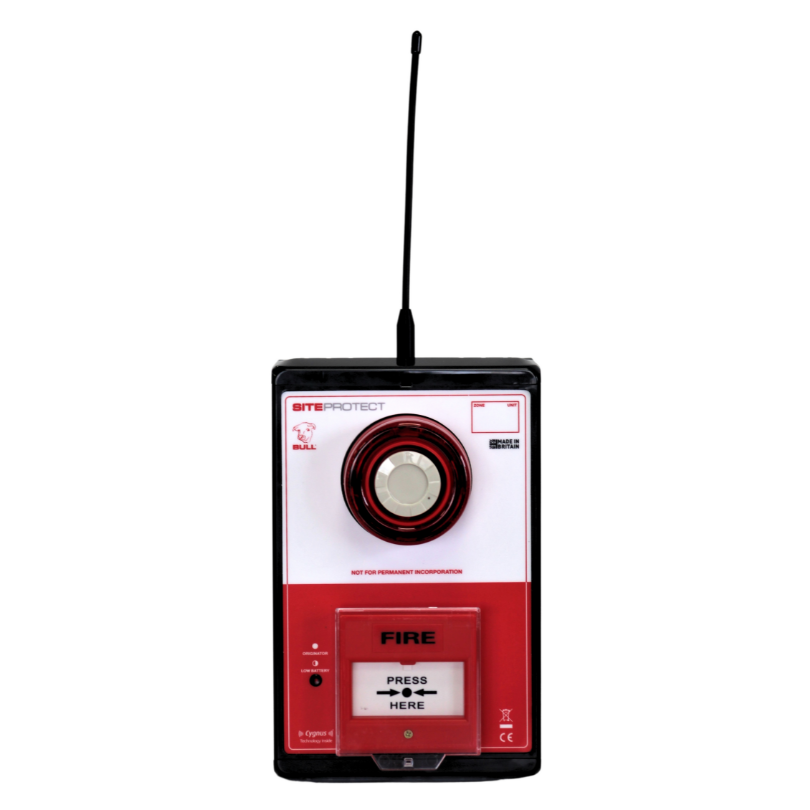
Commonly installed in high-risk areas, these systems are typically integrated with smoke or heat detectors and can trigger automatically when fire indicators are detected. A fire in a machinery bay, for example, could instantly trigger a combination of sirens, strobe lights, illuminated exit signage, and pre-recorded voice instructions. Systems, like the Cygnus Wireless Alarm System, are purpose-built for noisy, high-traffic environments where traditional alarms may go unnoticed.
Weather Warning Sirens
For outdoor or semi-exposed operations, such as construction sites, ports, or infrastructure projects, weather sirens offer critical alerts when conditions turn dangerous. These alarms are connected to sensors or live weather feeds and can automatically instruct workers to pause operations and move to shelter in cases of lightning, high winds, or flash flooding.
Chemical Hazard Alarms
Sites dealing with chemicals or hazardous waste require alarms capable of alerting staff to gas leaks, spills, or toxic exposure. These systems often use distinct tones or voice commands to guide workers toward containment zones or initiate shutdown procedures. In some cases, a chemical alarm can simultaneously isolate an affected area, shut off ventilation, and initiate PPE protocols, providing a multi-layered response in real time.
Multi-Zone Alarm Systems
In expansive industrial environments, like large or multi-building worksites, benefit from alarms that can be split into zones. This allows for localised responses, for example, triggering an evacuation in one area without disrupting the entire site.
Modular wireless systems like Orisent support zoned configuration, enabling tailored evacuation strategies that include voice alerts, sirens, and lighting controls relevant only to the affected areas.
Wireless modular systems like Checkpoint Orisent Wireless System support this level of flexibility, combining sirens, voice alerts, and visual cues that are tailored to each zone’s unique layout and risk profile.
Key Features of Effective Alarm Systems in Industrial Settings
In demanding environments such as warehouses, factories, and construction sites, alarm systems must do more than simply produce sound. They need to overcome site-specific challenges like high ambient noise, low visibility, and complex layouts. To ensure effective operation during emergencies, the following features are critical:

High-decibel sirens
Designed to cut through background noise from heavy machinery and ongoing site activityThe Klaxon Duplo siren is a standout product that delivers 127dB output, ideal for high-noise environments like warehouses or construction sites.
Visual alerts such as strobes
Ensure visibility in areas where sound may be insufficient or where hearing protection is worn.
Visual alerts, such as those featured on the Cygnus Evacuation Call Point Alarm, use flashing strobes to ensure visibility, even in areas where workers wear hearing protection or ambient noise is high.

Voice notifications
Provide clear, situation-specific instructions to reduce confusion and guide safe evacuationVoice notifications, such as those broadcast via the Cygnus Control Panel with UHF Radio Module, can deliver site-wide alerts and clear evacuation instructions, ensuring fast and coordinated responses during critical events.

Wireless or networked systems
Wireless or networked systems are essential for large-scale or evolving worksites where hardwired infrastructure isn’t practical. Checkpoint’s Touchscreen Control Unit (TCU) offers centralised control of alarms across multiple zones, allowing for tailored alerts, including voice instructions and strobe activations, from a single interface. Its wireless functionality makes it ideal for both temporary sites and permanent installations that require flexibility and scalability.
These features work together to ensure that personnel can respond quickly and appropriately in any emergency.
Ready to upgrade your emergency alarm system?
Get in touch with Checkpoint Group today to explore high-performance evacuation alarm solutions tailored to your site’s safety needs. From wireless systems for dynamic worksites to integrated multi-zone setups, our experts will help you choose the right solution for full compliance and peace of mind. Contact us now to safeguard your team and operations.


